Core market
Biocarbon for Metallurgy
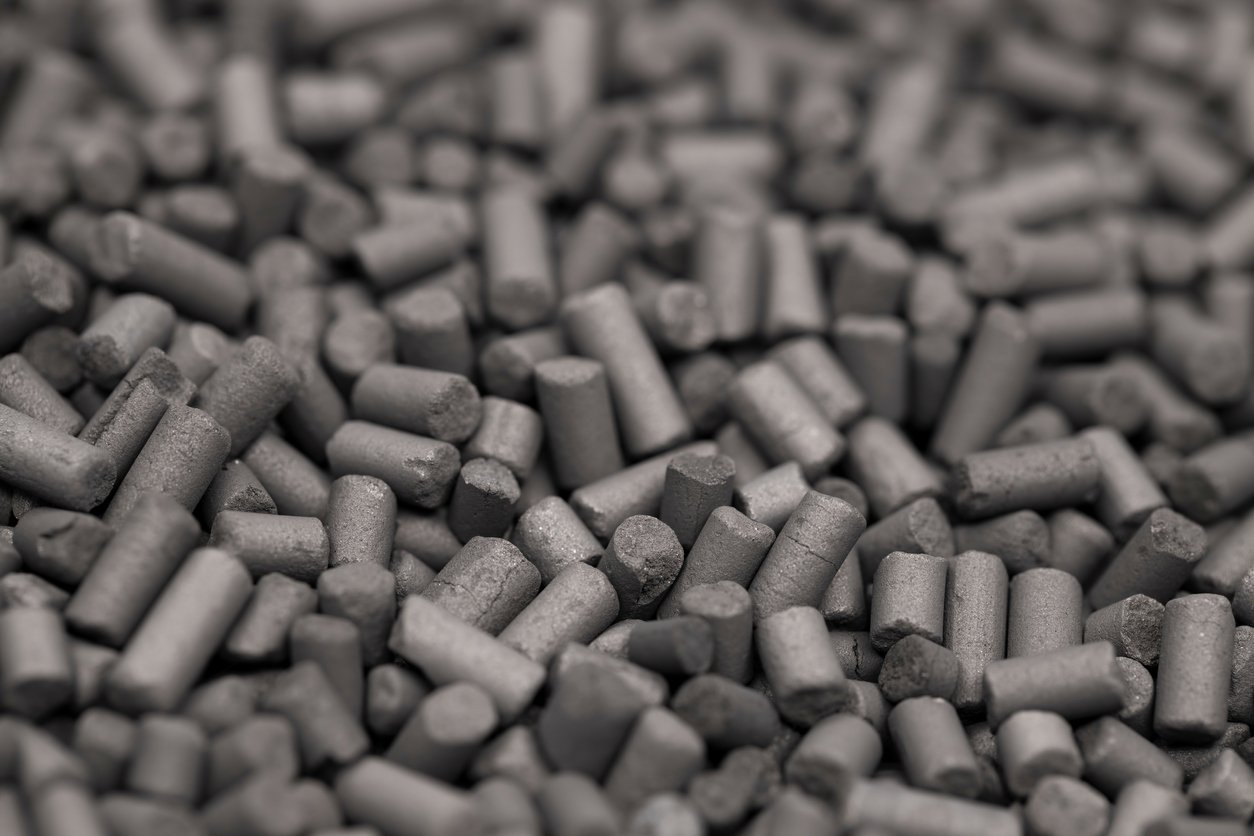
Renewable solid carbon for steel, silicon metal and ferro-alloy applications where fixed carbon, ash, volatile matter, moisture and impurity profiles need to match customer specifications.
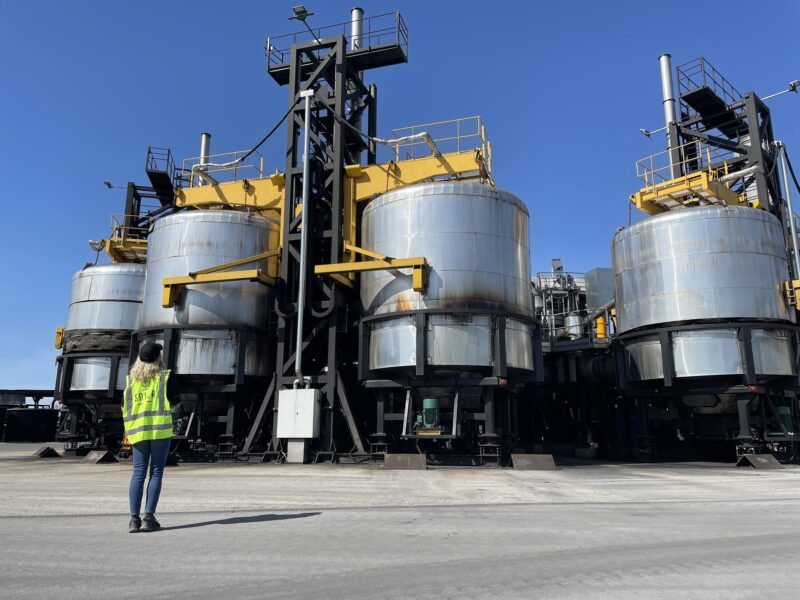

SBC develops product pathways from responsible biomass: biocarbon for metallurgy, activated carbon products, organic fertilizer applications and carbon sequestration solutions.
SBC is focused on specification-led products that can be qualified with customers and supported by responsible sourcing, testing, logistics and sustainability controls.
Renewable solid carbon for steel, silicon metal and ferro-alloy applications where fixed carbon, ash, volatile matter, moisture and impurity profiles need to match customer specifications.
Carbon products for activated carbon and specialty adsorption markets, developed around quality control, surface properties, sizing and end-use performance requirements.
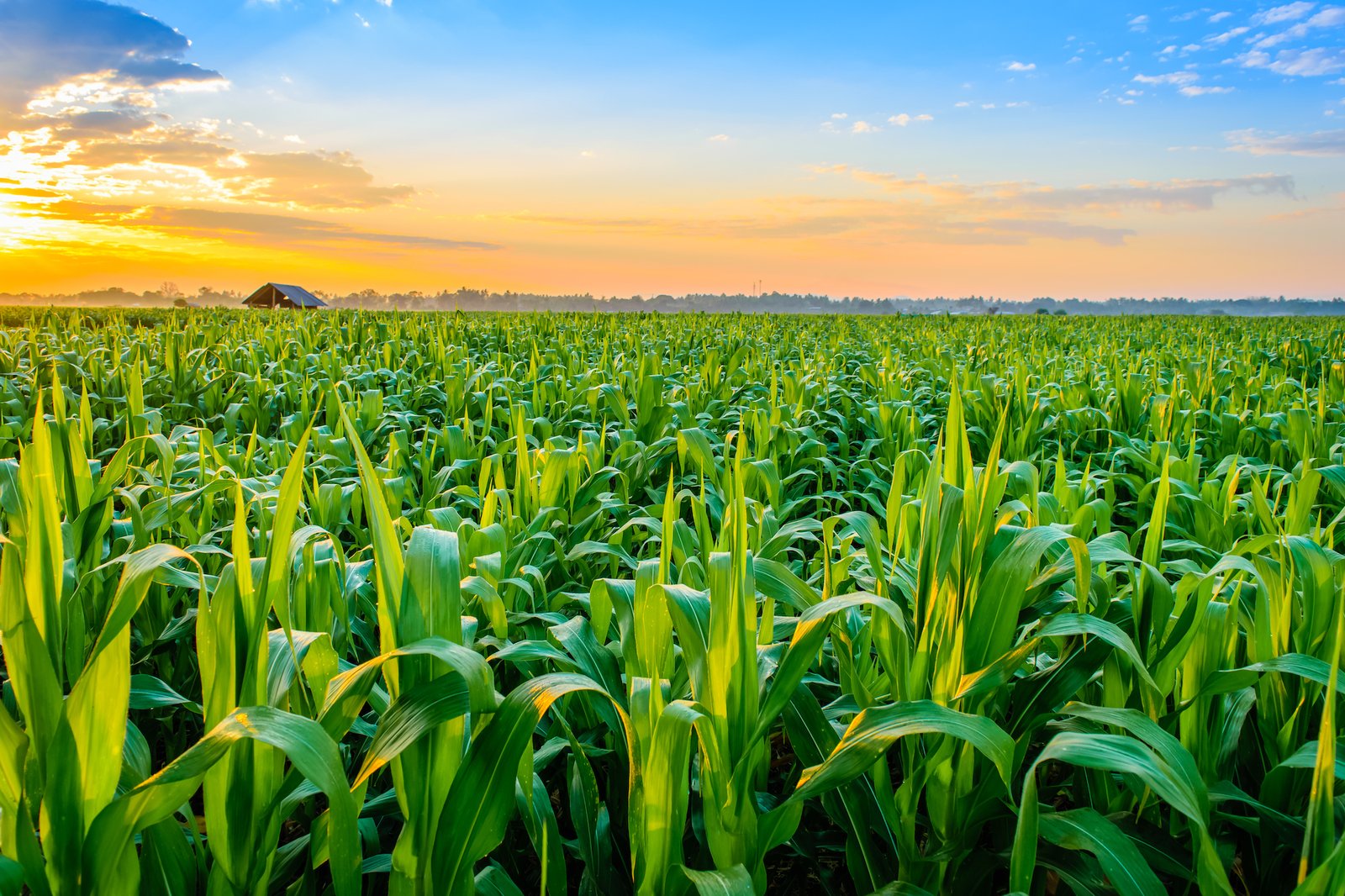
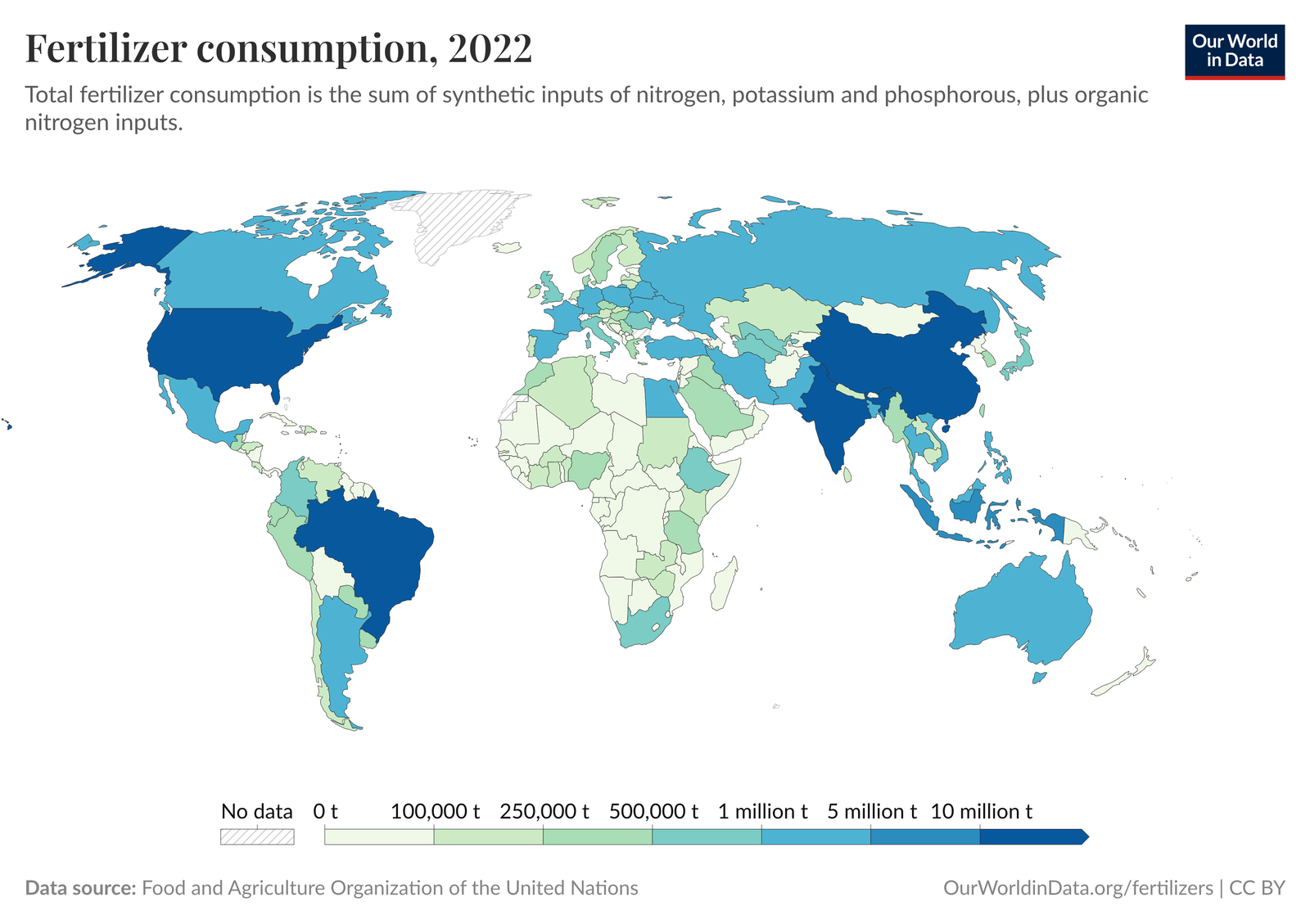
Carbon-rich co-products and soil applications that may support organic fertilizer blends, soil health and nutrient management, subject to local agronomic and regulatory requirements.
Stable biogenic carbon pathways designed for durable carbon storage, conservative measurement and auditable documentation where sequestration standards are applicable.
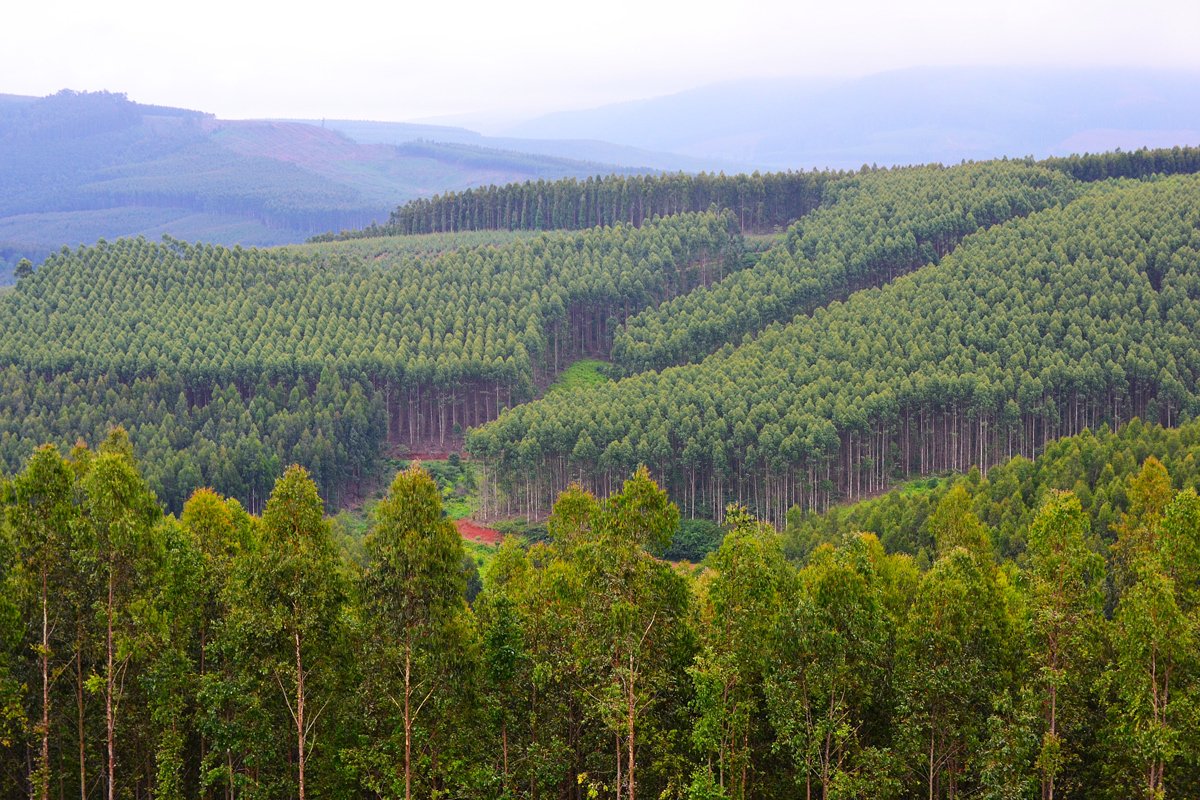
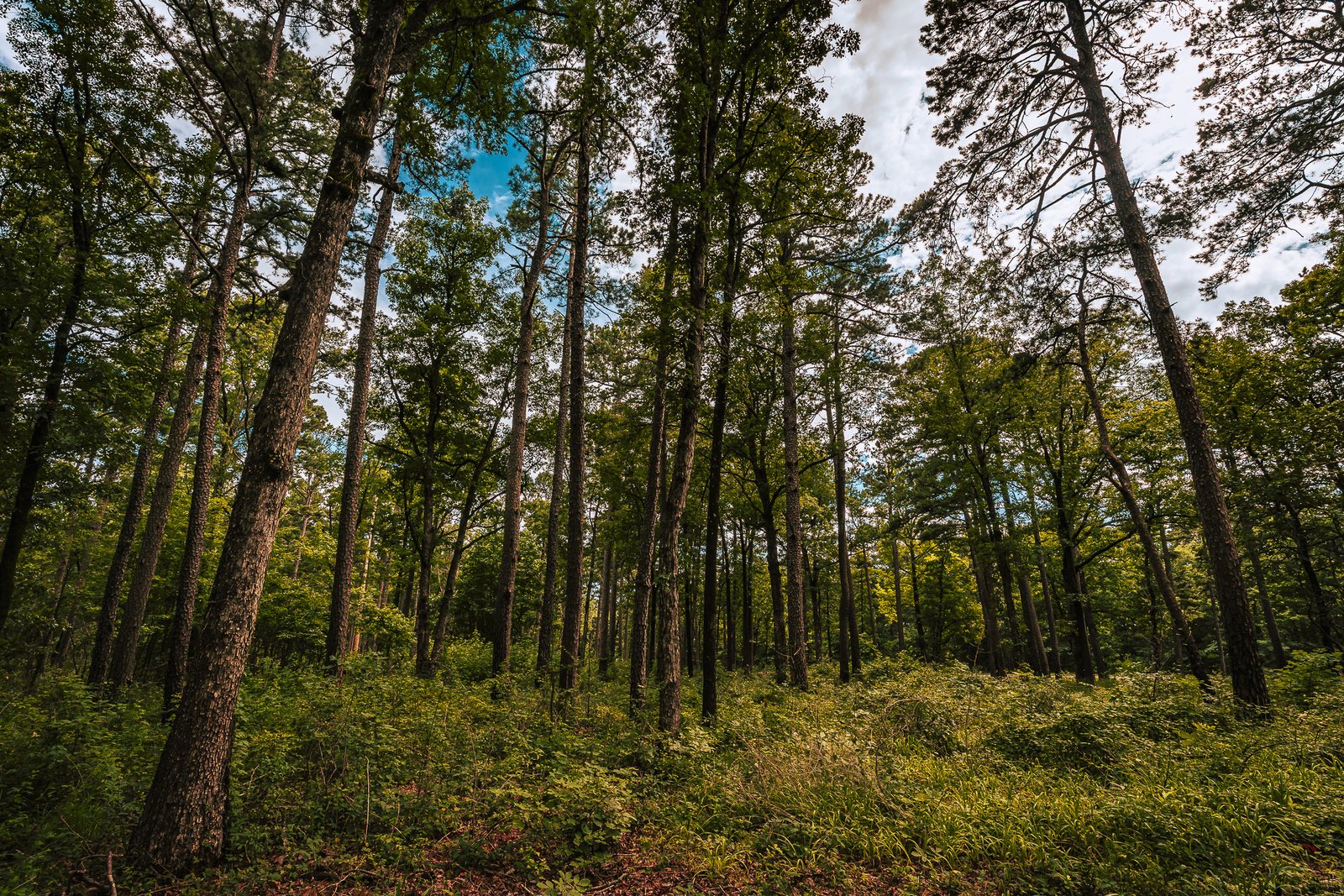
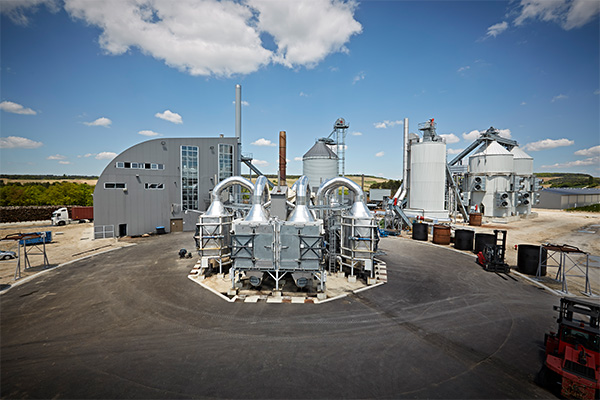
Biocarbon is produced through pyrolysis: a controlled process that heats biomass in the absence of oxygen. SBC's product approach starts with the target use-case, then works back through feedstock selection, conversion conditions, testing and logistics.
Align the target application, specification range and customer qualification route.
Use responsible biomass residues, drying, sizing and feedstock control.
Apply controlled pyrolysis conditions to produce a consistent carbon-rich solid.
Measure fixed carbon, ash, moisture, volatile matter, sizing and application-specific parameters.
Package, store and move products through safe domestic and export logistics pathways.
The first commercial-scale project concept is designed around abundant sawmill residues, U.S. logistics access and a repeatable platform for additional production sites.
Target regions with established sawmill activity and residue availability.
Align product pathways with customer and market requirements.
Plan truck, rail, port and bulk shipping pathways from the start.
Use the first project to validate a scalable regional deployment model.
Commercial offtake, feedstock supply, logistics, investment and strategic partnership inquiries.